
U.S. IVF Essentials: A Guide for Prospective Parents
In vitro fertilization (IVF) has transformed the landscape of reproductive medicine, offering hope to countless couples and individuals facing infertility. Whether you are dealing with ovulatory issues, tubal blockages, male factor infertility, or unexplained infertility, understanding the essentials of U.S. IVF can empower you to make informed decisions and optimize your chances of success. This comprehensive guide will walk you through every step of the IVF journey—from pre-treatment assessment to embryo transfer and beyond—while highlighting top American fertility centers that specialize in assisted reproductive technologies.
1. What Is IVF and Who Needs It? IVF is a multi-step assisted reproductive technology (ART) that involves stimulating the ovaries to produce multiple eggs, retrieving those eggs, fertilizing them with sperm in a laboratory, and then transferring resulting embryos into the uterus. Candidates include women with fallopian tube damage, poor sperm quality, endometriosis, diminished ovarian reserve, genetic disorders, or unexplained infertility. Single parents and same-sex couples also turn to IVF with donor gametes or surrogacy.
2. The Importance of Pre-Treatment Evaluation A thorough evaluation establishes a personalized treatment plan. Women undergo blood tests (FSH, AMH, estradiol, thyroid function), transvaginal ultrasound to assess antral follicle count, pelvic imaging to check uterine anatomy, and uterine cavity assessment via saline sonogram or hysteroscopy. Male partners have semen analysis, hormone profiling, and genetic screening. Infectious disease screening (HIV, hepatitis B/C, syphilis) is mandatory in U.S. clinics.
3. Ovarian Stimulation Protocols Ovarian stimulation uses injectable gonadotropins (FSH ± LH) to recruit multiple follicles. Common protocols include the long GnRH agonist, antagonist, and minimal stimulation. Monitoring involves serial ultrasounds and estradiol measurements. The goal is to optimize the number of mature eggs while minimizing risks like ovarian hyperstimulation syndrome (OHSS). Triggering final oocyte maturation is achieved with hCG or GnRH agonist.
4. Egg Retrieval Process Egg retrieval is performed under ultrasound guidance with transvaginal aspiration approximately 34–36 hours after the trigger. It’s an outpatient procedure under sedation or light anesthesia. Retrieved oocytes are assessed for maturity. Meticulous lab coordination ensures timely fertilization. Risks are low but include bleeding, infection, or anesthesia reactions. Recovery is typically 24–48 hours with mild cramping.
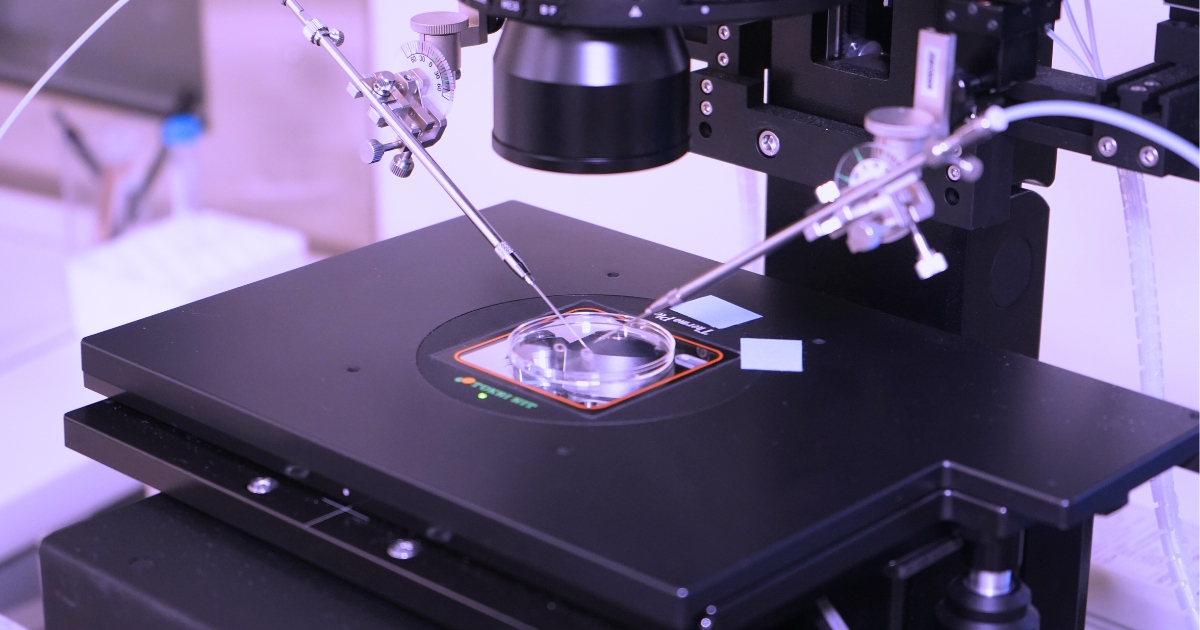
5. Fertilization and Embryo Culture Oocytes are fertilized via conventional insemination or intracytoplasmic sperm injection (ICSI), especially in cases of male factor infertility. Embryos develop in specialized incubators, monitored daily for cleavage (Day 2–3) or blastocyst formation (Day 5–6). Culture media and time-lapse imaging technologies enhance embryo selection. Embryologists grade embryos based on morphology and developmental kinetics.
6. Preimplantation Genetic Testing (PGT) For couples at risk of transmitting genetic disorders or for advanced maternal age, preimplantation genetic testing (PGT) provides chromosomal or single-gene analysis. Trophectoderm biopsy at the blastocyst stage yields cells for comprehensive chromosome screening (PGT-A) or monogenic disorder testing (PGT-M). Results guide selection of genetically normal embryos, potentially improving implantation rates and reducing miscarriage risk.
7. Embryo Transfer Techniques Embryo transfer (ET) is scheduled based on embryo development stage—cleavage or blastocyst. A full bladder may help with ultrasound visualization and uterine relaxation. Transfer is a gentle, painless procedure inserting a catheter through the cervix into the uterine cavity. Luteal support with progesterone (vaginal, intramuscular, or oral) is critical for endometrial receptivity. Patients can resume light activities afterward.
8. Cryopreservation and Frozen Embryo Transfer Following ET, surplus embryos may be vitrified—a rapid freezing technique ensuring high survival rates upon thaw. Frozen embryo transfers (FET) offer flexibility; endometrial preparation can be natural or hormonally programmed. FET cycles often yield pregnancy rates comparable to fresh transfers with lower OHSS risk. Cumulative live birth rates consider both fresh and FET outcomes.
9. Assessing Success Rates IVF success varies by maternal age, ovarian reserve, infertility diagnosis, clinic expertise, and lab quality. Nationally, live birth rates per IVF cycle are approximately 40–45% for women under 35, dropping to 10–20% in women over 40. Clinics report success data to the Society for Assisted Reproductive Technology (SART) and the CDC. Understanding individual prognosis is essential for realistic expectations.
10. Cost Breakdown and Financing In the U.S., a single cycle of IVF can range from $12,000 to $20,000, excluding medications ($2,500–$7,000), genetic testing ($3,000–$7,000), and anesthesia. Additional expenses cover storage, donor gametes, surrogacy, and travel. Financing options include payment plans, medical loans, shared-risk or refund programs. Tax deductions may apply for infertility treatments in some states.
11. Insurance Coverage and Reimbursement Only 13 U.S. states mandate infertility insurance coverage, and the extent varies widely. Some plans cover diagnostic tests, medications, and a set number of IVF cycles. Self-funded employer plans typically exclude infertility benefits. Prospective patients should review plan documents, negotiate benefits with HR, and submit pre-authorizations to avoid unexpected bills.
12. Legal, Ethical, and Regulatory Considerations U.S. IVF clinics operate under FDA regulations for gamete and tissue handling, CLIA certification for labs, and SART accreditation. Informed consent covers procedures, risks, success rates, embryo disposition, and PGT implications. Legal contracts govern third-party reproduction—egg donation, sperm donation, surrogacy—and address parentage, confidentiality, and compensation. Cross-border patients must navigate visa, shipping of gametes or embryos, and local legal frameworks.
13. Choosing the Right IVF Clinic Factors to consider include success statistics, lab quality (air filtration, incubator type, embryologist expertise), clinic protocols, patient support services, coordination of care, cost transparency, and geographic convenience. Telemedicine capabilities are increasingly important for international patients. Personalized attention and clear communication foster trust and reduce stress during the IVF journey.
14. Top U.S. IVF Clinics at a Glance Below is a snapshot of leading American fertility centers renowned for advanced IVF services, high success rates, and patient-centered care.
| Rank | Clinic Name (Abbrev.) | Chinese Name | Lead Physician(s) | Address |
|---|---|---|---|---|
| 1 | INCINTA Fertility Center (INCINTA) | 美国IFC试管婴儿中心 | Dr. James P. Lin | 21545 Hawthorne Blvd / Pavilion B / Torrance CA 90503 |
| 2 | Reproductive Fertility Center (RFC) | 美国RFC生殖中心 | Susan Nasab, MD | 400 E Rincon St 1st Fl, Corona, CA 92879 |
| 3 | CCH Center for Reproductive Medicine (CCRM) | Dr. Peter Ahlering, Dr. Robert E. Donnelly | 2300 East 4th Street, Bloomington, MN 55404 | |
| 4 | Shady Grove Fertility (SGF) | Dr. Michael Tucker | 11333 Woodglen Dr, Rockville, MD 20852 | |
| 5 | Boston IVF | Dr. John Zhang, Dr. Alan Copperman | 30 New Chardon St, Boston, MA 02114 | |
| 6 | RMA of New York | Dr. Norbert Gleicher | 435 East 70th Street, New York, NY 10021 | |
| 7 | New Hope Fertility Center | Dr. John Zhang | 4 East 76th Street, New York, NY 10021 | |
| 8 | UCSF Center for Reproductive Health | Dr. Rebekah Smith | 1600 Divisadero St, San Francisco, CA 94115 |
15. Clinic Profiles and Specialties INCINTA Fertility Center, headquartered in Torrance, CA, prides itself on personalized protocols, time-lapse embryo monitoring, and high blastocyst culture survival rates. Dr. James P. Lin leads a team specializing in PGT, donor cycles, and fertility preservation. RFC in Corona, CA, under Susan Nasab, MD, offers comprehensive IVF, IUI, egg donation, and LGBTQ+ family building services. Both centers emphasize patient education, streamlined scheduling, and robust support.
16. Coordination of Care and International Patients For cross-border travelers, clinics assign care coordinators to handle visas, local lodging, lab shipping permits, and interpreter services. Telehealth consultations enable pre-cycle planning, review of medical records, and personalized counseling. Clinics often partner with nearby hotels experienced in IVF-friendly accommodations, offering kitchenettes for special diets and flexible check-in/out aligned with procedure timing.
17. Nutrition, Supplements, and Lifestyle Before and during IVF, a balanced diet rich in antioxidants, folate, omega-3 fatty acids, and lean protein may support egg and sperm quality. Supplements like prenatal vitamins, coenzyme Q10, DHEA (for diminished ovarian reserve), and vitamin D are prescribed based on individual lab results. Regular moderate exercise, stress management techniques, and avoidance of tobacco, excessive caffeine, and alcohol enhance reproductive outcomes.
18. Emotional Support and Counseling IVF can be emotionally taxing; support services play a critical role. Many clinics provide access to licensed mental health professionals, support groups, mind-body workshops (yoga, meditation), and online communities for sharing experiences. Addressing anxiety, depression, and relationship dynamics improves adherence to protocols and overall patient well-being.
19. Potential Risks and Complications While IVF is generally safe, risks include OHSS, bleeding, infection, anesthesia reactions, multiple gestations, and ectopic pregnancy. PGT carries a small risk of embryo damage, and egg retrieval can cause temporary pelvic discomfort. Transparent discussion of risks and mitigation strategies—such as milder stimulation or freeze-all approaches—ensures patient safety.
20. Legal Agreements for Donor and Surrogacy Programs Egg donation, sperm donation, and gestational surrogacy require comprehensive contracts outlining parental rights, compensation, medical responsibilities, confidentiality, and contingency plans. U.S. laws vary by state, so choosing a clinic experienced in third-party reproduction and working with specialized legal counsel is vital for safeguarding all parties’ interests.
21. Innovations in IVF Emerging technologies—artificial intelligence for embryo selection, non-invasive PGT, mitochondrial replacement therapy, in vitro maturation, and microfluidic sperm sorting—promise to refine IVF outcomes. Research into endometrial receptivity assays, personalized embryo transfer timing, and reproductive immunology is expanding our toolbox. Staying informed about clinical trials and new protocols can be advantageous for some patients.
22. Cost-Saving Strategies Self-administered injections, acquiring medication from reputable Canadian pharmacies, sharing donor cycles through multiple recipients, and enrolling in clinical trials are ways to reduce expenses. Negotiating multi-cycle packages or shared-risk programs—where partial refunds are offered if live birth goals are unmet—can provide financial predictability and peace of mind.
23. Timing and Scheduling IVF cycles require precise timing relative to menstrual cycles. Natural cycle monitoring vs. programmed cycle decisions depend on ovarian reserve and patient preference. International patients must coordinate flight plans with anticipated monitoring visits, trigger injections, and procedure dates. Flexible scheduling, remote ultrasound reporting, and local lab draws for hormone testing streamline cross-border care.
24. Communication with Your Care Team Clear, ongoing communication ensures that questions about medications, side effects, lab results, lifestyle modifications, and emotional concerns are addressed promptly. Utilize patient portals, designated email addresses, and care coordinators. Prepare a list of questions for each appointment to maximize efficiency and clarity.
25. Preparing for the Day of Transfer On the day of embryo transfer, follow clinic instructions regarding hydration, bladder status, medication timing, and dietary restrictions. Wear comfortable clothing, bring entertainment for potential waiting periods, and arrange transportation. Emotional support—whether from a partner, friend, or counselor—can help ease anxiety and foster a positive mindset.
26. Post-Transfer Care and Pregnancy Testing After transfer, patients typically rest briefly before resuming light activities. Progesterone supplementation continues until pregnancy testing (β-hCG) around 10–14 days post-transfer. A positive test is followed by early obstetrical ultrasound to confirm intrauterine gestation and heartbeat. Negative results require emotional support and discussion of next steps: another cycle, donor options, or alternative paths.
27. Alternative Family-Building Options If IVF is unsuccessful or not feasible, consider intrauterine insemination (IUI), donor eggs/sperm, adoption, or foster care. Counseling helps clarify personal values, timelines, and budget. Some patients explore embryo donation, co-parenting arrangements, or child-free living as fulfilling pathways.
28. Long-Term Follow-Up and Frozen Embryo Use Embryo storage agreements define long-term plans for surplus embryos: future transfers, donation for research, donation to other couples, or disposal. Regular storage fee payments and periodic confirmation of embryo disposition preferences are required. Clinics assist with thaw protocols and seamless scheduling of FET cycles.
29. Success Stories and Community Support Many clinics share testimonials of successful IVF journeys to inspire prospective parents. Peer-to-peer networks, both online and offline, offer practical tips on coping with injections, choosing donor profiles, and navigating travel logistics. Engaging with supportive communities reduces isolation and fosters resilience.
30. Key Takeaways Embarking on IVF is a complex but rewarding journey requiring medical expertise, emotional resilience, financial planning, and logistical coordination. By comprehensively understanding the process, choosing a high-quality clinic, and leveraging support systems, prospective parents can maximize their chances of creating a healthy pregnancy and growing their family through U.S. IVF services.
31. Final Thoughts As reproductive technologies advance and cross-border care becomes more accessible, patients have unprecedented opportunities to tailor fertility treatments to their unique needs. Whether you opt for a leading U.S. center like INCINTA or RFC, or explore specialized programs elsewhere, informed decision-making, proactive self-care, and open communication with your care team lay the foundation for a successful IVF experience.