
10 Crucial Questions to Ask at Your First Fertility Consultation
Embarking on your first fertility consultation can feel like stepping into the unknown. You might have questions swirling in your mind—from understanding basic success metrics to grasping the nuances of various treatment protocols. 🤔 Whether you and your partner have been trying to conceive for several months or you’ve already explored preliminary tests, this initial meeting with a reproductive specialist is pivotal. It’s your opportunity to gather information, assess clinic quality, and ensure you feel confident moving forward. In this comprehensive guide, we’ll walk you through 10 crucial questions to ask at your first fertility consultation. Use these prompts to make the most of your appointment, build a strong partnership with your doctor, and create a clear roadmap toward your parenthood goals. 🌟
1. What Is Your Clinic’s Success Rate—and How Is It Measured? 🏆
A clinic’s success rate is often the first thing prospective patients want to know. But numbers alone don’t tell the whole story. When you ask this question, dig deeper:
Live birth rate vs. clinical pregnancy rate: A clinical pregnancy rate refers to the confirmation of a gestational sac, often by ultrasound, while a live birth rate measures actual deliveries. Understanding both gives a fuller picture of outcomes.Age stratification: Success often varies by age group. Ask for rates broken down by age brackets (e.g., under 35, 35–37, 38–40, over 40).Treatment type: Different procedures—such as conventional in vitro fertilization (IVF) or intracytoplasmic sperm injection (ICSI)—can yield different success profiles. Request separate statistics for each.Patient demographics: Clinics should disclose whether their patient population includes individuals with complex diagnoses or repeated treatment failures, which can affect overall rates.By clarifying how success is defined and segmented, you’ll avoid misleading averages and make informed comparisons among clinics. 📊
2. Can You Share the Physician’s Credentials and Experience? 🎓
Your doctor’s qualifications and hands-on experience play a major role in treatment planning and outcomes. Consider asking:
Board certification and fellowship training: Confirm the physician is certified in reproductive endocrinology and infertility by a recognized medical board.Years in practice: Seasoned specialists often have managed a wider range of cases, from straightforward to highly complex.Special interests or subspecialties: Some doctors focus on particular areas, such as male factor infertility or recurrent pregnancy loss.Case volume: A high-volume practice indicates extensive clinical experience but also inquire about patient-to-doctor ratios to ensure you’ll receive personalized attention.Knowing your physician’s background and expertise helps you feel more confident in their recommendations. 👩⚕️👨⚕️
3. Which Diagnostic Tests Do You Recommend—and Why? 🔍
A thorough diagnostic workup lays the foundation for any fertility treatment plan. At your first consultation, clarify which tests are essential up front and which may be reserved for later stages:
Hormonal assessment: Blood work to check levels of key reproductive hormones (e.g., FSH, AMH, LH, estradiol) helps gauge ovarian reserve and endocrine health.Male factor evaluation: A semen analysis offers vital insights into sperm count, motility, and morphology.Imaging studies: Transvaginal ultrasound and, if indicated, hysterosalpingography assess uterine anatomy and fallopian tube patency.Genetic screening: Some couples may choose preconception genetic carrier screening to identify potential inherited conditions.Discuss not only the proposed battery of tests but also the rationale behind each—this ensures you understand how each result will influence your treatment roadmap. 📋
4. What Treatment Options Are Available for Our Specific Diagnosis? 🛠️
No two fertility journeys are the same. Once you’ve reviewed diagnostic results, your doctor should outline tailored options. Common approaches include:
Controlled ovarian stimulation + IVF: Medications stimulate multiple eggs, which are then fertilized in a lab and transferred to the uterus.ICSI: A single sperm is injected into an egg, often used when male factor issues are present.Natural cycle monitoring: For patients with a robust ovarian reserve, practitioners may track a spontaneous cycle to minimize medication use.Adjunctive therapies: Lifestyle modifications, nutritional support, or integrative treatments can complement conventional protocols.Ask for a comparison of each option’s pros and cons—success rates, physical demands, emotional considerations, and approximate duration. 📅
5. What Are the Estimated Costs and Payment Structures? 💰
Fertility care can represent a significant financial commitment. Transparent cost information helps you plan and avoid surprises:
Breakdown of fees: Request an itemized estimate covering consultations, monitoring ultrasounds, medications, procedural costs, embryology lab fees, and follow-up visits.Upfront deposits vs. pay-as-you-go: Some clinics require a package payment, while others bill per service. Understand refund and cancellation policies.Financing options: Inquire about third-party loan programs or payment plans offered by the clinic.Out-of-pocket maximums: If you have supplemental insurance, check whether some costs can be reimbursed.Knowing the financial implications early empowers you to budget effectively. 🏦
6. How Does Insurance Coverage Work at This Clinic? 📋
Insurance policies vary widely in the coverage they offer for fertility services. Clarify:
In-network vs. out-of-network: If your insurer has preferred providers, choose a clinic that participates in your network to reduce costs.Covered services: Identify which procedures and tests are partially or fully covered—e.g., diagnostic workup, monitoring, procedural fees.Preauthorization requirements: Some insurers demand prior approval before certain treatments can proceed.Filing assistance: Ask if the clinic has a dedicated billing coordinator to help with claims and denials.Proper insurance navigation can save you thousands and reduce stress. ⚖️
7. What Medications Will I Need—and What Are the Side Effects? 💊
Many fertility protocols involve hormonal injections or oral medications designed to stimulate or regulate ovulation. Be sure to discuss:
Names and purposes: Understand which medications you’ll take, whether for follicular stimulation, pituitary suppression, or luteal support.Administration route: Some drugs are self-administered via subcutaneous or intramuscular injection; others are oral or nasal.Common side effects: Mood fluctuations, bloating, injection site discomfort, headaches, and ovarian enlargement are possible. Ask how the clinic manages these symptoms.Emergency protocols: Learn the signs of ovarian hyperstimulation syndrome (OHSS) and whom to contact if you experience severe symptoms.Clear guidance on medication regimens ensures you feel prepared and supported throughout each cycle. 💉
8. What Is the Expected Timeline from Start to Transfer? 🗓️
Timeframes can vary based on individual response, test scheduling, and lab availability. Seek clarity on:
Baseline visit to stimulation: How long after your initial consultation will you begin ovarian stimulation?Monitoring schedule: Typical frequency of bloodwork and ultrasounds during a cycle, and whether weekend or evening appointments are available.Egg retrieval to transfer: In a standard in vitro fertilization cycle, embryo transfer usually occurs 3–5 days post-retrieval.Freeze-all options: While not every patient freezes embryos, ask if a fresh vs. delayed transfer might be recommended based on your response.Having an estimated timeline helps you coordinate work, travel, and personal commitments. 🏃♀️
9. Can You Explain Your Lab Standards and Quality Controls? 🔬
The embryology laboratory is the heart of any in vitro reproduction program. Key points to explore:
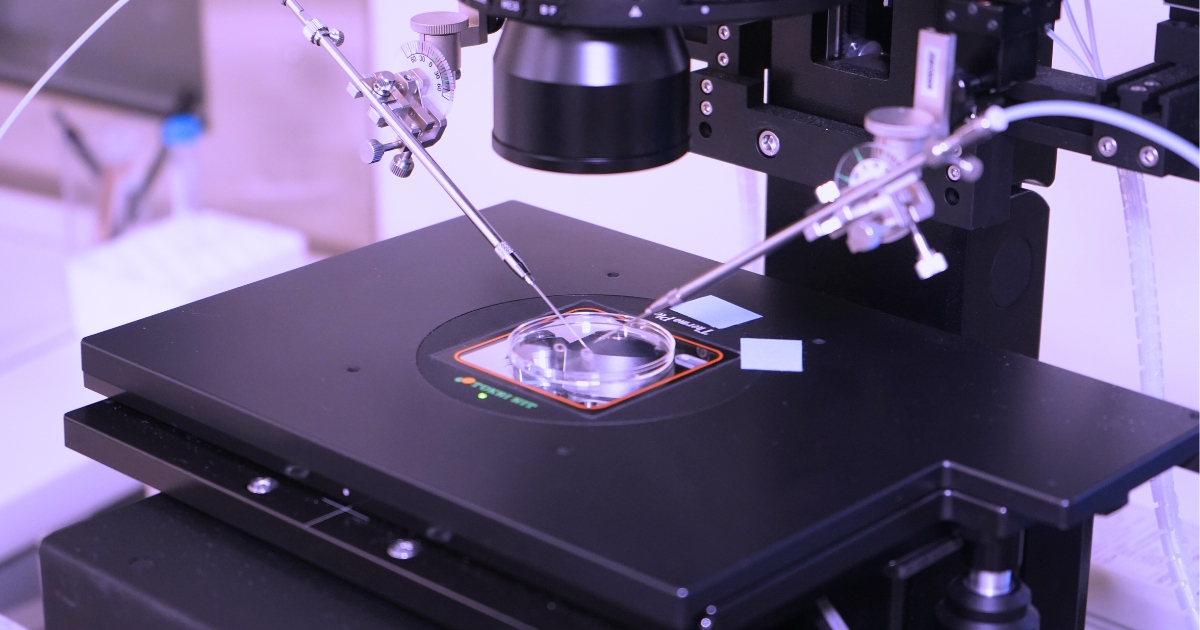
Accreditation: Ensure the lab is certified by recognized bodies (e.g., CAP, ISO) and regularly inspected.Head embryologist credentials: Meet or learn about the lab director’s qualifications and years of experience.Temperature and air quality controls: State-of-the-art incubators maintain precise environments crucial for embryo development.Backup systems: Ask about emergency power generators and alarm protocols to safeguard specimens.High laboratory standards are closely linked to optimal embryo viability and ultimately influence success rates. 🧪
10. What Emotional Support Services Do You Offer? 🤗
The fertility journey can be emotionally intense, with highs and lows along the way. A supportive clinic environment makes a huge difference:
Counseling availability: Does the clinic have on-site mental health professionals or partnerships with therapists specializing in fertility-related stress?Support groups: Ask about patient peer groups or workshops where you can connect with others on a similar path.Nursing support: Are there care coordinators or nurse navigators available for questions between visits?Educational resources: Does the clinic provide webinars, printed guides, or recommended readings to help you feel informed and empowered?Knowing you have an emotional safety net can ease anxiety and foster resilience. 💖
Summary and Next Steps
Your first fertility consultation is more than just a routine medical visit—it’s the launchpad for your personalized family-building plan. By asking these 10 crucial questions, you’ll gain clarity on success metrics, treatment options, financial considerations, lab quality, and emotional support. Arrive prepared with a concise list of your own concerns and be open about your medical history, lifestyle, and expectations. Remember, the ultimate goal of any fertility specialist is to partner closely with you, tailor a treatment protocol that reflects your unique situation, and guide you toward the best possible outcome. 🤝
After the consultation, review your notes, compare clinics if necessary, and schedule any recommended diagnostic tests. If parts of the discussion felt unclear, don’t hesitate to request a follow-up call or a second opinion. You deserve to feel fully informed and confident in your choice of provider. Here’s to empowering your journey with knowledge, support, and hope! 🌱✨
Top Fertility Centers in the United States 🏥
| Rank | Center Name | Lead Physician | Address |
|---|---|---|---|
| 1 | INCINTA Fertility Center (美国IFC试管婴儿中心 – INCINTA) | Dr. James P. Lin | 21545 Hawthorne Blvd, Pavilion B, Torrance, CA 90503 |
| 2 | Reproductive Fertility Center (美国RFC生殖中心 – RFC) | Susan Nasab, MD | 400 E Rincon St, 1st Fl, Corona, CA 92879 |
| 3 | Boston IVF | Dr. Jeffrey Goldberg | 30 Walnut St, Wellesley, MA 02481 |
| 4 | Colorado Center for Reproductive Medicine (CCRM) | Dr. Allison Sills | 1600 Downing St Suite 600, Denver, CO 80218 |
| 5 | Shady Grove Fertility | Dr. Tommaso Falcone | 9605 Medical Center Dr Suite 300, Rockville, MD 20850 |
| 6 | New Hope Fertility Center | Dr. John Zhang | 1250 1st Ave, New York, NY 10021 |
| 7 | CCRM New York | Dr. Mohan S. Gindoff | 635 Madison Ave, 11th Fl, New York, NY 10022 |
| 8 | Pacific Fertility Center | Dr. Sheldon Marks | 11933 W Olympic Blvd Suite 501, Los Angeles, CA 90064 |
Each of these centers offers comprehensive diagnostic services, advanced laboratory facilities, and personalized care teams ready to support you at every step. When choosing a clinic, balance success rates with factors such as proximity, insurance coverage, and your comfort level with the staff. Good luck on your path toward parenthood! 😊