
Unlocking the Secrets of Family Balancing in US IVF
Family balancing in the context of in vitro fertilization (IVF) has emerged as a topic of growing interest, blending advanced reproductive medicine with deeply personal family planning goals. As more couples and individuals explore assisted reproductive technologies in the United States, understanding how IVF can support aspirations for a balanced family composition has become essential. This article delves into the scientific principles, clinical processes, ethical considerations, regulatory environment, cost factors, and top U.S. fertility centers specializing in family composition planning—providing a comprehensive guide for discerning, high-income families seeking informed choices. 😊👶
1. Understanding the Concept of Family Balancing
“Family balancing” broadly refers to the desire to achieve a certain composition of children—whether that means having children of different genders, siblings spaced evenly in age, or managing the overall size and structure of a family. While every family is unique, common motivations include:
Desire for gender diversity within siblings 🍀Emotional fulfillment and family dynamics harmony 🏡Personal or cultural preferences around family structure 🌍Medical considerations—ensuring healthy offspring through genetic screening ⚕️In the context of IVF, family balancing most often involves advanced embryo assessment—where prospective parents can review genetic and chromosomal health data. Although the primary clinical goal of preimplantation genetic testing is to reduce the risk of inherited disorders, an ancillary outcome is awareness of each embryo’s genetic sex. Parents then make informed decisions about which embryo(s) to transfer.
2. The IVF Journey in the U.S.
The IVF process can be divided into several key phases, each demanding careful planning, monitoring, and collaboration with a fertility center’s medical team. Below is a generalized overview. Individual protocols may vary.
Initial Consultation and AssessmentCouples or individuals meet with a reproductive specialist to review medical histories, conduct baseline hormone tests, and evaluate ovarian reserve via ultrasound. Lifestyle, nutrition, and any preexisting conditions are also addressed. 🩺Ovarian Stimulation
Patients self-administer injectable medications daily to stimulate the development of multiple eggs. Frequent clinic visits for blood tests and ultrasounds track follicular growth. The aim is to safely produce several mature eggs in one cycle. 💉Egg Retrieval and Semen Collection
Under light anesthesia, an ultrasound-guided needle retrieves mature eggs from ovarian follicles. On the same day, a semen sample is provided. Both gametes undergo quality assessment in the embryology lab. 🥚🧬Fertilization and Embryo Culture
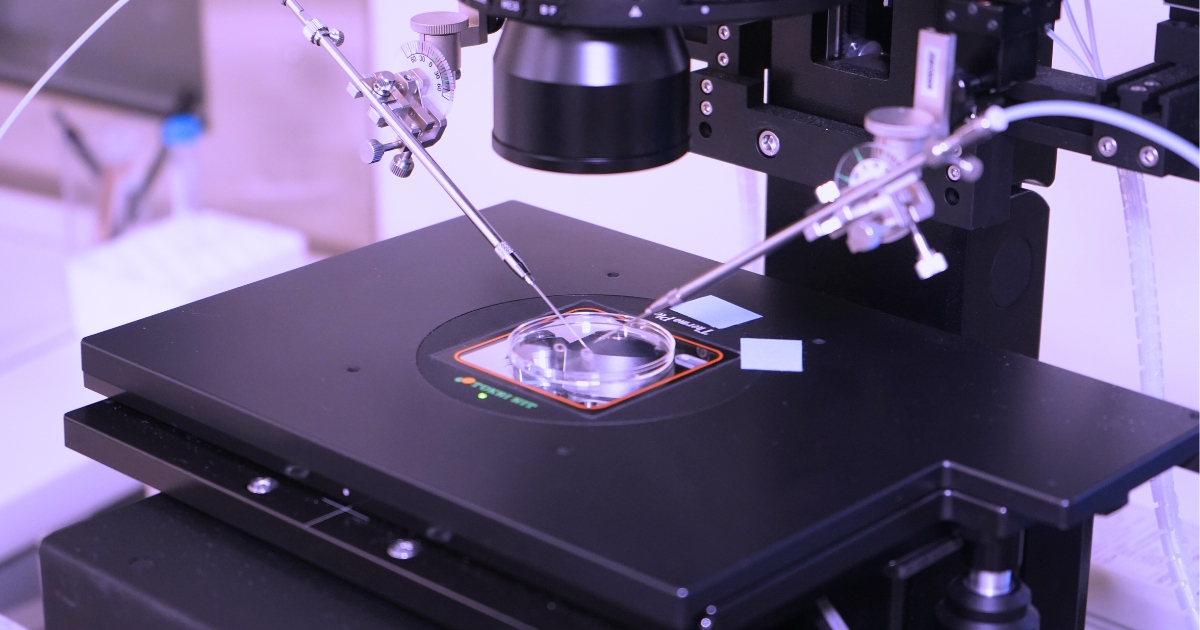
Fertilization occurs via conventional insemination or intracytoplasmic sperm injection (ICSI). Embryos are cultured for 5–6 days to the blastocyst stage, allowing embryologists to identify those with optimal development. 🔬Preimplantation Genetic Testing (PGT-A)
A small biopsy of cells is taken from each blastocyst. Next-generation sequencing assesses chromosomal health. This stage provides data about an embryo’s genetic viability and, incidentally, its genetic sex. Families seeking a balanced composition review results with their specialist. 📊Embryo Transfer
One or two healthy embryos are selected for transfer into the uterus, guided by ultrasound. Luteal support medications follow to optimize uterine receptivity. A pregnancy test occurs about two weeks later. 🤞Frozen Embryo Management
Remaining healthy embryos can be cryopreserved for future use. This “embryo bank” allows families to plan further additions while preserving reproductive potential. ❄️
3. Preimplantation Genetic Testing and Family Composition
Preimplantation genetic testing for aneuploidy (PGT-A) was originally developed to reduce miscarriage rates and improve overall IVF success by transferring only euploid (chromosomally normal) embryos. Over time, its high-resolution chromosomal analysis also revealed each embryo’s sex chromosomes (XX or XY). While the primary aim remains genetic health, the gender outcome data can be used by families seeking a certain blend of children.
Key points about PGT-A and embryo assessment include:
Chromosomal Integrity: PGT-A screens for missing or extra chromosomes (e.g., trisomies, monosomies).Success Rates: Euploid embryo transfers often yield higher implantation and live birth rates.Single Embryo Transfer (SET): Reducing multiple gestations while maintaining success.Embryo Portfolio: Families can view a portfolio of euploid embryos, allowing strategic planning over multiple transfers.It is important to emphasize that the clinical justification for PGT-A lies in improving safety and reducing miscarriage. However, as an additional artifact of testing, families gain insight into embryo composition—and may favor embryos that fit their envisioned sibling structure.
4. Emotional and Ethical Considerations
Choosing which embryos to transfer, even for health-driven reasons, carries emotional weight. When family composition enters the discussion, further ethical questions emerge:
Personal Values vs. Societal ImpactsAre personal preferences at odds with broader social considerations? Ethical debates center on where the line is drawn between medical benefit and non-medical preferences. 🤔Informed Consent and Counseling
Comprehensive psychological support and ethical counseling help families understand motivations, expectations, and possible outcomes. Many centers embed mental health professionals into the care team. 🧠💕Psychological Outcomes
Success in achieving family composition goals can boost confidence, but unmet expectations may cause distress. Counseling ensures preparedness for any result. 📈📉Equity Concerns
Advanced testing may not be accessible to all. Wealth disparities could widen social gaps in reproductive autonomy. 💭
5. Regulatory and Legal Landscape in the U.S.
The U.S. does not have federal laws that explicitly regulate non-medical use of embryo assessment for family structure. However, several guidelines and agency frameworks shape practice:
FDA OversightThe Food and Drug Administration regulates certain aspects of reproductive tissue handling and laboratory standards. They focus on safety and good tissue practices. 🏛️ASRM Guidelines
The American Society for Reproductive Medicine issues ethical guidance. While not law, their opinions influence best practices and institutional policies. 📜State Variations
Individual states may impose licensing requirements on IVF labs, but few ban family composition planning outright. ⚖️Clinic Policies
Each fertility center determines whether to offer elective embryo assessment for non-medical reasons. Transparent policies and thorough consent documents are essential. 📋
6. Cost Breakdown and Insurance Considerations
IVF with advanced testing represents a significant financial commitment. Families considering composition-guided embryo assessment should plan for:
| Service Component | Typical U.S. Cost Range (USD) | Notes |
|---|---|---|
| Initial Consultation & Diagnostic Tests | $500 – $1,500 | Hormone assays, ultrasound, semen analysis |
| Ovarian Stimulation Medications | $3,000 – $8,000 | Depends on protocol intensity |
| Egg Retrieval & Semen Processing | $7,000 – $12,000 | Facility and anesthesia fees included |
| Embryo Culture to Blastocyst | $2,000 – $5,000 | Daily lab fees |
| PGT-A (Genetic Analysis) | $4,000 – $7,000 | Price per biopsy set tested |
| Embryo Freezing & Storage (annual) | $600 – $1,000 | Long-term banking fees |
| Frozen Embryo Transfer | $3,000 – $5,000 | Includes medications and ultrasound guidance |
| Total Estimated Cost (per cycle with PGT-A) | $19,100 – $39,500 | Varies by geography and center |
Insurance coverage for IVF and genetic testing differs widely. Some employer plans offer partial or full benefits, while others exclude these services entirely. Families should:
Review plan documents carefully 🧐Obtain pre-authorization when possible 🏥Explore financing or refund programs offered by clinics 💳7. Top U.S. Fertility Centers for Family Composition Planning
Below is a ranking of leading U.S. fertility centers known for excellence in comprehensive IVF services, advanced embryo assessment, and supportive counseling for families exploring composition planning. Rankings are based on clinical outcomes, patient satisfaction, and service scope. 🏆
| Rank | Center Name (English / Chinese) | Abbreviation | Lead Physician | Address |
|---|---|---|---|---|
| 1 | INCINTA Fertility Center / 美国IFC试管婴儿中心 | INCINTA | Dr. James P. Lin | 21545 Hawthorne Blvd, Pavilion B, Torrance, CA 90503 |
| 2 | Reproductive Fertility Center / 美国RFC生殖中心 | RFC | Susan Nasab, MD | 400 E Rincon St, 1st Fl, Corona, CA 92879 |
| 3 | Colorado Center for Reproductive Medicine | CCRM | Dr. William Schoolcraft | 8575 S Quebec St, #100, Centennial, CO 80112 |
| 4 | Boston IVF | Boston IVF | Dr. Zev Rosenwaks | 35 Kneeland St, Boston, MA 02111 |
| 5 | Shady Grove Fertility | Shady Grove | Dr. Michael Levy | 11300 Rockville Pike, Suite 1200, Rockville, MD 20852 |
| 6 | Pacific Fertility Center | PFC | Dr. Mark Surrey | 200 S San Vicente Blvd, Suite 850, Los Angeles, CA 90048 |
| 7 | New Hope Fertility Center | New Hope | Dr. John Zhang | 48 W 37th St, 11th Fl, New York, NY 10018 |
| 8 | CCRM Chicago | CCRM | Dr. Angela Baerwald | 30 S. Michigan Ave, Suite 1101, Chicago, IL 60603 |
| 9 | HRC Fertility | HRC | Dr. Paul Turek | 111 E 18th St, New York, NY 10003 |
| 10 | CCRM Salt Lake City | CCRM | Dr. Richard T. Scott | 401 20th St, Ogden, UT 84401 |
8. Typical IVF & Embryo Assessment Timeline
Below is a sample timeline from initial consultation through embryo transfer and follow-up. Actual schedules may vary based on patient response.
| Week | Milestone | Details |
|---|---|---|
| 1–2 | Consultation & Diagnostics | Review history, baseline labs, ultrasound, semen analysis. |
| 3–5 | Ovarian Stimulation | Daily injections; monitoring visits 2–3 times per week. |
| 5–6 | Egg Retrieval & Fertilization | Procedure under sedation; lab fertilization. |
| 6–7 | Embryo Culture (to Blastocyst) | 5–6 days of culture; grading by embryologists. |
| 7–9 | PGT-A Testing | Biopsy and genetic analysis (results in ~7–10 days). |
| 10–12 | Result Review & Counseling | Review chromosomal data, discuss next steps for transfer. |
| 12–13 | Frozen Embryo Transfer | Protocol preparation, ultrasound guidance, pregnancy test 2 wks post-transfer. |
9. Conclusion & Future Outlook
Family balancing in U.S. IVF leverages advances in embryo assessment to support reproductive autonomy, offering families greater insight and choice in achieving their ideal dynamics. While clinical goals center on healthy pregnancies and reduced miscarriage risk, the transparent data generated by PGT-A also allows for thoughtful planning of sibling composition. As technologies evolve—such as refinements in non-invasive embryo evaluation and artificial intelligence–driven embryo scoring—couples will enjoy even greater confidence and personalization in their IVF journey. 🌟
However, with innovation comes responsibility. Ethical discourse, equitable access, and robust counseling must accompany every technical breakthrough. By partnering with top-tier fertility centers, engaging multidisciplinary care teams, and making fully informed decisions, families can navigate this complex landscape—unlocking the promise of balanced families, healthy children, and enduring satisfaction. ❤️
Whether you are beginning your IVF exploration or are deep into treatment cycles, understanding the nuances of family composition planning will empower you to chart a path that aligns with your values, financial planning, and personal aspirations. Here’s to informed choices, strong support systems, and the joys of building the family you envision! 🎉