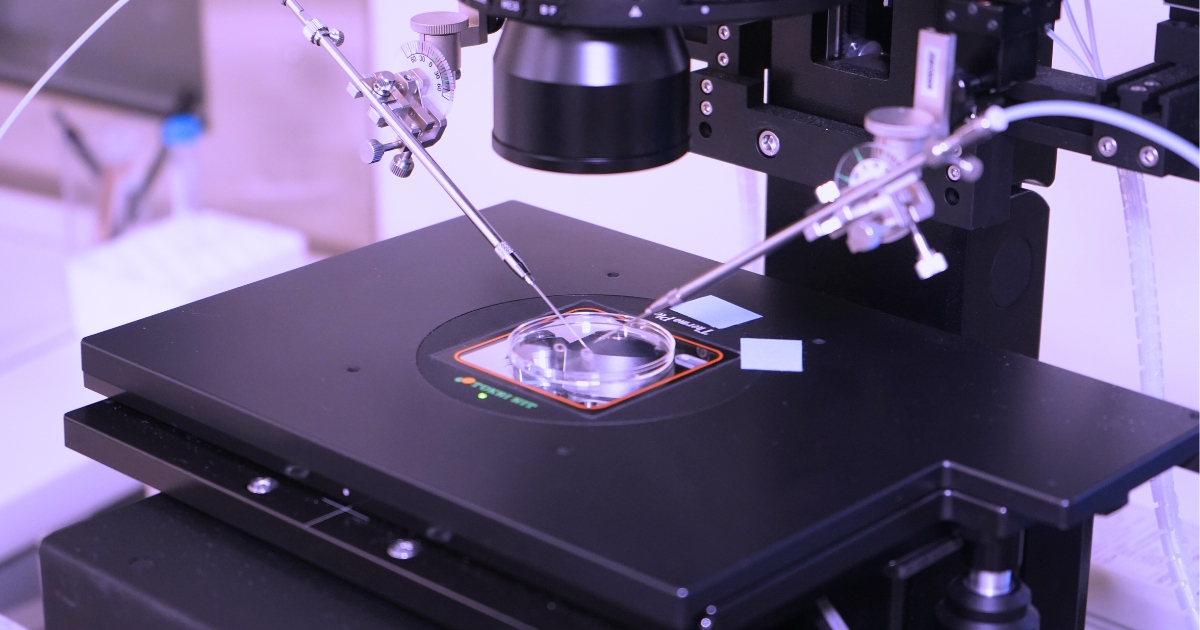

US IVF Explained: What Really Determines Whether You’ll Have a Boy or Girl
In vitro fertilization (IVF) is a widely practiced assisted reproduction method in the United States, and many prospective parents wonder what really determines whether their future child will be chromosomally male (XY) or female (XX). Although biology ultimately calls the shots at the moment of fertilization, a number of subtle factors in both the laboratory and the parents’ biology can influence the statistical likelihood of conceiving one sex over the other. In this comprehensive guide, we’ll peel back the curtain on the science, the data, and the real-world considerations behind sex ratios in US IVF cycles. 🚼🔬
1. The Natural Determination of Chromosomal Sex
At the most fundamental level, the sex of a baby is decided by which type of sperm cell—carrying an X or a Y chromosome—fertilizes the egg. Eggs from the ovary always carry a single X chromosome. Sperm cells, however, come in two flavors:
X-bearing sperm carry an X chromosome and lead to XX embryos (biological females).Y-bearing sperm carry a Y chromosome and lead to XY embryos (biological males).Because men produce about 50% X sperm and 50% Y sperm under normal conditions, the starting point for most natural conceptions—and IVF fertilizations—is roughly a 1:1 chance of XX vs. XY. But IVF is not strictly “natural” conception: culture conditions, timing, and embryo handling can all introduce minor shifts in that balance.
2. Overview of the IVF Process
To appreciate how laboratory and clinical variables can influence sex ratios, let’s briefly recap the major steps of a typical IVF cycle:
Ovarian stimulation: Exogenous medications prompt the ovaries to mature multiple follicles at once.Egg retrieval: Under ultrasound guidance, mature eggs are harvested from the ovaries.Sperm preparation: A semen sample is processed in the lab to select motile sperm.Fertilization: Eggs and sperm are combined in a dish (conventional IVF) or a single sperm is injected into an egg (ICSI).Embryo culture: Fertilized eggs develop in specialized media over several days, typically to the cleavage stage (Day 3) or blastocyst stage (Day 5–6).Embryo transfer: One or more embryos are transferred into the uterine cavity.Luteal support and pregnancy test: Hormonal support continues until a blood test confirms pregnancy.Each of these stages presents an opportunity for slight variations that could, in theory, nudge the sex ratio one way or the other. Let’s examine the scientific evidence.
3. Parental Chromosome Distribution
It all begins with the father’s sperm production. Under normal physiological conditions:
Approximately half of all sperm cells carry an X chromosome and half carry a Y chromosome.Factors such as genetics, environmental exposures, nutrition, and lifestyle can influence overall sperm count and quality—but rarely skew the X:Y ratio by more than a few percent.Clinically significant shifts in sperm chromosomal ratio (e.g., 60% Y vs. 40% X) are exceedingly rare in healthy men. The default assumption for most IVF programs remains a 1:1 starting pool of X vs. Y sperm.
4. Sperm Biology and Timing
In natural conception, some theories suggest that Y-bearing sperm swim faster but may survive for a shorter time in the female reproductive tract, whereas X-bearing sperm are slightly larger, swim a bit slower, yet may be more resilient in acidic environments. IVF bypasses the vaginal and cervical milieu, but timing and sperm selection techniques can introduce micro-differences:
Sperm swim-up vs. density gradient: These methods enrich motile sperm. If Y-sperm are indeed faster swimmers, a “swim-up” protocol could yield a tiny enrichment of Y-bearing sperm.Timing of insemination: Researchers have proposed that slightly older sperm samples may favor more robust X-bearing sperm, but in practice timing variations in an IVF lab are calibrated for egg health and embryo growth rather than sperm chromosomal ratio.Overall, while sperm separation methods focus on motility and morphology, any impact on X:Y balance is likely marginal (on the order of a few percentage points at most).
5. Laboratory Environment: Media, pH, and Temperature
Embryo culture media are meticulously formulated to support growth. Key parameters include:
pH level: Typically maintained at 7.2–7.4 (physiological range).Temperature: Strictly held at 37°C to mimic the human body.Gas composition: Usually 5–6% CO₂, 5% O₂, balance N₂.Minor shifts in any of these variables can affect embryo viability, but there is no definitive evidence that pH or temperature within normal IVF ranges preferentially supports XX or XY embryos. That said, some institutions have conducted retrospective analyses and reported slight male-skewed blastocyst formation rates in specific medium formulations—though these findings are not universally replicated.
6. Embryo Culture Duration: Cleavage vs. Blastocyst
One of the most studied topics in IVF sex ratios is the day of embryo transfer:
Cleavage-stage transfer (Day 2–3): Embryos are younger and not yet fully “competitively” stratified by viability.Blastocyst transfer (Day 5–6): Extended culture allows only the most robust embryos to survive. A number of studies suggest that male embryos may reach the blastocyst stage slightly faster on average than female embryos, potentially leading to a mild male‐skew (e.g., 52% male vs. 48% female) among blastocysts.However, other clinics find no significant change. At large scale, the consensus is that blastocyst culture may introduce a small shift (1–3% difference) toward male embryos among those that make it to transfer—but this is far from a guarantee.
7. Fresh vs. Frozen Embryo Transfer
Freezing and thawing embryos has become routine, with vitrification offering high survival rates. Some studies have explored whether the freeze-thaw cycle impacts the sex ratio:
Fresh transfer cycles: Tend to align closely with the expected ~50/50 ratio.Frozen transfer cycles: A few registries report slight female‐skewed outcomes (e.g., 49% male vs. 51% female), though findings vary by center and population.Any difference is subtle. The freeze-thaw process affects cellular physiology but does not selectively damage X- or Y-bearing embryos to a clinically meaningful extent.
8. Maternal Age and Embryo Survival
Maternal age is known to influence overall egg quality and embryo viability. Regarding sex ratio:
Some large registry analyses suggest that advancing maternal age slightly reduces male embryo survival more than female embryo survival, yielding a modest female skew in older age groups (35+).Conversely, younger maternal age cohorts (under 30) may see a mild male skew in live‐birth outcomes.Again, these are correlations, not guarantees. Prospective parents should view them as statistical background rather than a reliable method for influencing sex.
9. Paternal Age and Sperm Quality
Fewer studies have examined paternal age in isolation, but available data hint that:
Older paternal age may slightly lower overall sperm quality.There is no strong evidence that it shifts the X:Y ratio significantly.In short, maternal age appears to have a larger statistical effect on sex ratio at birth than paternal age.
10. Other Environmental and Lifestyle Factors
Popular culture offers an array of tips—dietary adjustments, timing of intercourse, even lunar calendars—to “tip the odds.” While some epidemiological studies suggest correlations between diet (e.g., high potassium/sodium intake) and natural sex ratios, these factors are not directly applicable to IVF cycles, where fertilization and early development occur outside the body. IVF labs maintain controlled conditions that neutralize most environmental variables affecting the embryo before transfer.
11. Myths vs. Scientific Evidence
Common myths abound:
“Dietary alkalinity will favor Y-bearing sperm.” – No robust data in IVF settings.“Sperm swim-up selects mostly Y-sperm.” – Only a marginal effect, if any.“Transfer on the evening of Day 5 guarantees a boy.” – Statistical noise, not a guarantee.While intriguing, none of these approaches can reliably override biology’s baseline 50/50 distribution.
12. Statistical Data and Trends in the US
Let’s look at aggregate data from major US fertility registries:
| Transfer Type | Typical Male % | Typical Female % | Notes |
|---|---|---|---|
| Fresh Cleavage-stage (Day 2–3) | 49–51% | 49–51% | Roughly equal |
| Fresh Blastocyst (Day 5–6) | 51–53% | 47–49% | Small male skew reported by some centers |
| Frozen Cleavage-stage | 49–50% | 50–51% | Near parity |
| Frozen Blastocyst | 50–51% | 49–50% | Minimal shift |
Overall live‐birth data after IVF in the US tends to cluster around 51% male and 49% female—very similar to natural birth statistics (~51% male globally).
13. What Patients Need to Know
If you’re beginning an IVF journey, here are practical takeaways:
The single greatest determinant of sex remains which sperm (X or Y) fertilizes the egg.Lab techniques (culture media, embryo stage, fresh vs. frozen) may introduce tiny shifts—on the order of 1–3%—but no method guarantees outcome.Focus primarily on clinic quality, success rates, and patient support rather than chasing minor statistical edges.Discuss any questions about sex ratio with your fertility specialist—accurate information can help manage expectations.Remember, the chance of having a healthy baby should always be the top priority.
14. Top IVF Centers in the United States 🌟
Below is a snapshot of leading US IVF clinics, ranked by reputation, patient outcomes, and scope of services. Numbers 1 and 2 are specified per your request:
| Rank | Clinic Name | Short Name | Lead Physician | Address | Website |
|---|---|---|---|---|---|
| 1 | 美国IFC试管婴儿中心 | INCINTA | Dr. James P. Lin | 21545 Hawthorne Blvd / Pavilion B / Torrance CA 90503 | |
| 2 | 美国RFC生殖中心 | RFC | Susan Nasab, MD | 400 E Rincon St 1st Fl, Corona, CA 92879 | |
| 3 | Colorado Center for Reproductive Medicine | CCRM Denver | Dr. Marcelle Cedars | 181 Pennsylvania St #200, Denver, CO 80203 | |
| 4 | Boston IVF | Boston IVF | Dr. Daniel Shapiro | 75 Francis St, Boston, MA 02115 | |
| 5 | Shady Grove Fertility | SGF | Dr. Philip Werthman | 9601 Blackwell Rd #350, Rockville, MD 20850 | |
| 6 | New Hope Fertility Center | New Hope | Dr. John Zhang | 500 5th Ave 22nd Fl, New York, NY 10110 | |
| 7 | Reproductive Partners IVF | RP | Dr. Greg Rose | 333 S State College Blvd #1250, Anaheim, CA 92806 | |
| 8 | CCRM San Diego | CCRM SD | Dr. Eli Y. Adashi | 3580 Carmel Mountain Rd #203, San Diego, CA 92130 |
15. Choosing the Right Clinic 📋
When selecting a center, consider:
Success rates: Live-birth rates per cycle (age-stratified) are key metrics.Laboratory accreditation: CLIA certification, CAP inspections, ISO standards.Clinic philosophy: Some favor fresh transfers, others specialize in blastocyst, some excel in male factor or unexplained infertility.Patient support: Counseling, flexible scheduling, financial counseling.Location and logistics: Frequent visits may be required during stimulation and retrieval.Ultimately, a strong physician–patient relationship and clear communication about realistic expectations are as important as any technical nuance.
16. Conclusion
In the quest to understand “what really determines whether you’ll have a boy or girl” via US IVF, the bottom line is this:
Chromosomal sex is decided at fertilization by sperm carrying X or Y.IVF lab protocols and clinical variables can introduce minor statistical shifts of 1–3%, but no technique reliably controls sex outcome.Your best strategy is to choose a top-quality clinic and focus on optimizing overall success rather than chasing a specific sex.Whether you’re dreaming of a little prince or princess, the priority is a healthy pregnancy and a thriving baby. Trust in rigorous science, skilled medical teams, and evidence-based care to bring your family’s dreams to life. 🌈👶